Beat the Heat! – Keeping Employees Safe in Hot Weather
As the UK enters its third extreme heat weather event of the summer, and in preparation for the possibility of more record-breaking temperatures over the next few months, we are pleased to provide guidance on the effects of working in extreme heat, how to support your employees, managing health and safety risks and practical steps to keep the workplace running effectively.
A reduction in productivity
It is not unusual for employees to feel more tired, and less able to concentrate when they are working in extremely hot weather conditions. Rather than adopting a ‘business as usual’ approach, small adjustments can often help employees remain focused and enable them to work more comfortably. Being flexible and reacting to marked changes in weather conditions can help prevent a significant drop in productivity.
Tips:
- Where air-conditioning is not available or appropriate, provide fans and window blinds. Try to maintain good ventilation. Keep doors between internal areas open where possible to increase air flow. In sunny areas, keep windows and blinds closed during the hottest parts of the day.
- Where an employer can’t provide safe working conditions in extreme heat, home working should be offered, provided employees can demonstrate that they have safer working conditions at home.
- Avoid feelings of exhaustion and lack of focus by providing access to cool drinking water and encouraging employees to take more regular short breaks during the day.
- Review workloads and where possible, prioritise essential tasks and functions.
- Give small incentives to boost morale such as ice creams/cold drinks and in severe heat conditions, consider a slightly shorter working day for a limited period.
- Consider adjustments to strict uniform and dress codes where this can be managed. Be flexible. Dress codes don’t need to be exactly the same for men and women, but it is essential, to avoid any claims of discrimination, that they are equivalent in standards and are applied fairly. Give clear guidance as to clothing and/or footwear that is considered unacceptable and ensure that those in client facing roles maintain an acceptable dress code. For employees who carry out tasks that require wearing and/or use of Personal Protective Equipment (PPE), safety must be paramount when considering any adjustments.
- Where practical, consider temporary, informal adjustments to fixed working hours to allow work to be undertaken earlier in the morning or later in the afternoon when weather conditions may be cooler. This is likely to help employees work more comfortably, to retain their focus and maintain productivity. It also demonstrates an employer’s wish to fulfil their duty of care to their employees, by maintaining a safe workplace.
Potential increase in short term absences
Some employers may notice a spike in short term absences when the weather is hot and sunny. Review each absence based on the facts, but look out for repeated absences around weekends or when the weather is particularly hot.
Guidance:
Apply your Absence from Work policy consistently and fairly. Always look for a clear pattern of absence before taking any action. Hold a return to work meeting after each period of absence to identity any underlying health conditions and ensure that any concerns are discussed calmly.
Remain open-minded and focus on keeping morale within the workforce high. Where engagement levels are high, false sickness absences are less likely to occur.
Where evidence of misconduct is proven, ensure your disciplinary procedure is followed.
Health & Safety risks
There are no maximum workplace temperatures in law, but employers are obliged to maintain a ‘reasonable’ temperature and assess and manage health and safety risks, particularly where working conditions may pose a genuine risk to health and safety.
Temperatures up to 24̊ are unlikely to be too uncomfortable, but this will vary according to the task being performed. Office-based tasks are likely to present less problems than physically demanding roles. Individual roles and risks should be considered, based on their physicality. 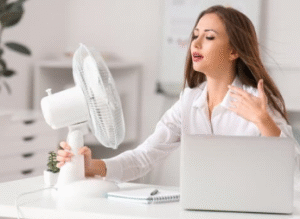
Some conditions such as pregnancy, neurodivergence, and some medication conditions or disability may render employees more sensitive to heat. Take seriously any concerns expressed by affected employees and consider what reasonable adjustments are appropriate.
As well as general fatigue, extreme hot weather can cause heat stress, heat stroke, dizziness and dehydration. To avoid these conditions, employers with office based employees should follow the practical steps listed under Tips (above).
For those working outdoors in extreme heat, extra precautions are vital. Ensure employees recognise the early signs of heat stress or heat stroke as both conditions can be dangerous.
Provide hats, suitable protective clothing and sunscreen.
Adjust schedules wherever possible, so that tasks are performed in the coolest parts of the day.
Ensure access to shade. As with office based employees, ensure employees have access to cool drinking water and take more regular breaks.
Complete risk assessments which include factors such as type of role, amount of exposure to heat or sunlight, amount of physical effort required to perform the task and clothing requirements.
Refusal to work
Under section 44 of the Employment Rights Act 1996, employees are protected from detriment if they refuse to work or leave work where they reasonably believe their health is in serious and imminent danger. This sets the bar high and every situation will depend on its individual circumstances, but it is vital that employers manage risks properly, by listening to concerns, deciding whether they are reasonable, considering any further steps that could be taken to improve working conditions and reviewing risk assessments and measures currently in place. Finally, always work with employees to attempt to find a good outcome that suits both parties.
Blog by Lynn Marlow
If you need any help on this or any other HR issue, please do not hesitate to contact us.
Jenny, Joy & Lynn
The BarwellsHR Team